Why “AfterAction”?
Meet Your Counselor
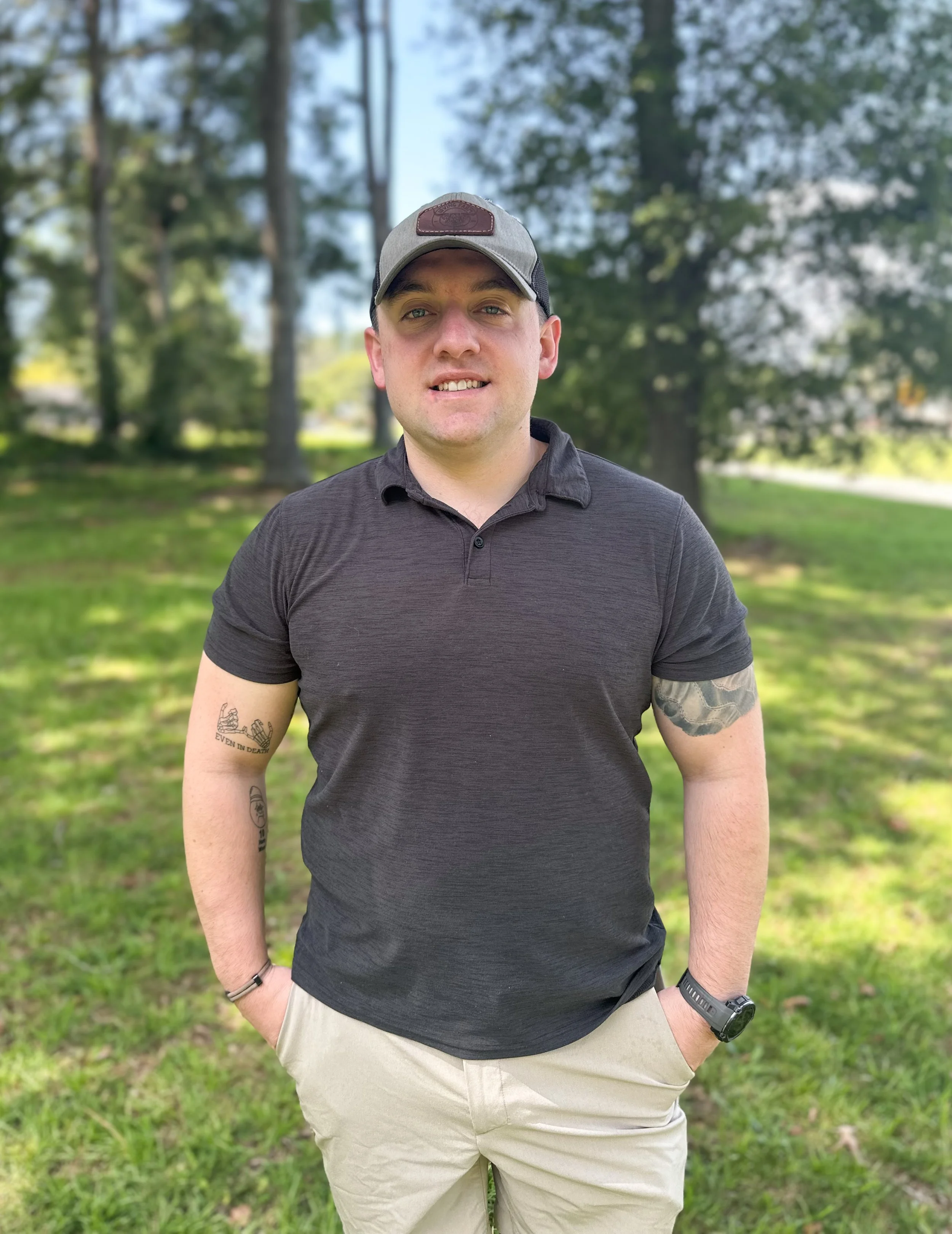
William Irving, LCMHCA, NCC
Founder | Marine Corps Veteran | Former Law Enforcement Officer | Clinical Mental Health Counselor
I believe some of the most difficult battles we face are the ones others never see.
Before becoming a clinical mental health counselor, I spent more than a decade serving in the United States Marine Corps and later worked in law enforcement. Throughout those years, I witnessed firsthand how trauma, stress, responsibility, and repeated exposure to difficult experiences can affect individuals and the people closest to them.
Those experiences shaped my understanding of resilience, but they also taught me something equally important: being strong doesn't mean carrying everything alone.
My journey into counseling grew from a desire to help people navigate the challenges that often remain long after a difficult experience has passed. I understand that asking for help can feel uncomfortable, particularly for individuals who have spent much of their lives being the person others depend on.
Today, I bring together my background in military service, law enforcement, and clinical mental health counseling to provide a supportive, practical, and individualized approach to therapy.
While I have a particular passion for working with veterans and first responders, my practice welcomes individuals and couples from all backgrounds who are navigating trauma, anxiety, stress, relationship challenges, or major life transitions.
Why AfterAction?
We debrief the mission. Why not ourselves?
In military and public safety professions, an after-action review provides an opportunity to examine what happened, identify lessons, and prepare for what comes next.
I believe the same principle can be applied to our personal lives.
Too often, we move from one responsibility to the next without taking time to recognize how our experiences are affecting us. We push through stress, set aside difficult emotions, and convince ourselves that we'll address things later.
But the experiences we don't take time to process can continue influencing how we think, feel, and respond to the world around us.
AfterAction Counseling was built around the belief that reflection, understanding, and intentional action can create opportunities for meaningful change.
The goal isn't to erase the past or pretend difficult experiences never happened. It's to understand their impact, develop healthier ways of responding, and move forward with greater purpose.
Debrief Your Day.
My Approach to Counseling
Practical. Collaborative. Trauma-Informed.
I don't believe counseling should feel like someone simply telling you what to do or how to live your life.
My role is to provide a supportive environment where we can explore your experiences, identify patterns, and develop practical strategies that align with your individual goals.
I use evidence-based approaches, including Cognitive Behavioral Therapy (CBT), Solution-Focused Brief Therapy (SFBT), and Eye Movement Desensitization and Reprocessing (EMDR), when appropriate to your treatment needs.
Some sessions may focus on understanding the connection between your thoughts, emotions, and behaviors. Others may involve processing difficult experiences, strengthening coping skills, improving relationships, or identifying meaningful changes you want to make.
Regardless of the approach, I believe effective counseling begins with trust, honesty, collaboration, and respect.
You don't have to arrive with the right words or know exactly where to begin. We can work through that together.
Education, Credentials & Professional Background
Clinical Credentials
Licensed Clinical Mental Health Counselor Associate (LCMHCA), North Carolina
National Certified Counselor (NCC)
Education
Master of Arts in Clinical Mental Health Counseling
Bachelor's Degree in Psychology, with a focus on Crisis Counseling
Doctoral Studies in Health Sciences, Trauma-Informed Care — Liberty University (in progress)
Clinical Approaches & Training
Cognitive Behavioral Therapy (CBT)
Solution-Focused Brief Therapy (SFBT)
Trauma-Informed Counseling
Eye Movement Desensitization and Reprocessing (EMDR) — Basic Training in Progress
Professional Background
United States Marine Corps Veteran
Former Law Enforcement Officer
Experience working with individuals, couples, adolescents, veterans, and first responders
Who I Work With
You don't need a particular background or diagnosis to benefit from counseling.
I work with individuals and couples navigating a variety of challenges, including trauma, anxiety, depression, relationship difficulties, occupational stress, and major life changes.
My professional background gives me a particular understanding of military and first responder culture, including the effects of critical incidents, moral injury, burnout, and identity changes.
However, the principles of understanding, resilience, and personal growth extend far beyond those professions.
Whether you've spent your career serving others, are navigating a difficult relationship, or simply feel overwhelmed by life's demands, your experiences deserve to be taken seriously.
Let's Begin Where You Are
You don't have to have everything figured out before reaching out.
Starting counseling can feel like a significant decision. My goal is to make that process approachable, collaborative, and focused on what matters most to you.
At AfterAction Counseling, you'll find a space where your experiences are respected, your goals help guide treatment, and meaningful progress is built one step at a time.
Virtual Counseling Available Throughout North Carolina
Schedule Your Free Consultation
Payment options
Help with out-of-network insurance reimbursement
Debit/Credit/Cash pay
HSA/FSA cards
AfterAction Counseling, PLLC — Debrief Your Day.
Request a Consultation
Submit the inquiry form to initiate a detailed needs assessment and explore how our tailored solutions can advance your health objectives and operational efficiency.